

Responsible Grey Squirrel Control Across North West England
Grey squirrel control for woodland, estates, farms, buildings and managed grounds. Only grey squirrels are included in this service — we do not control red squirrels under any circumstances.
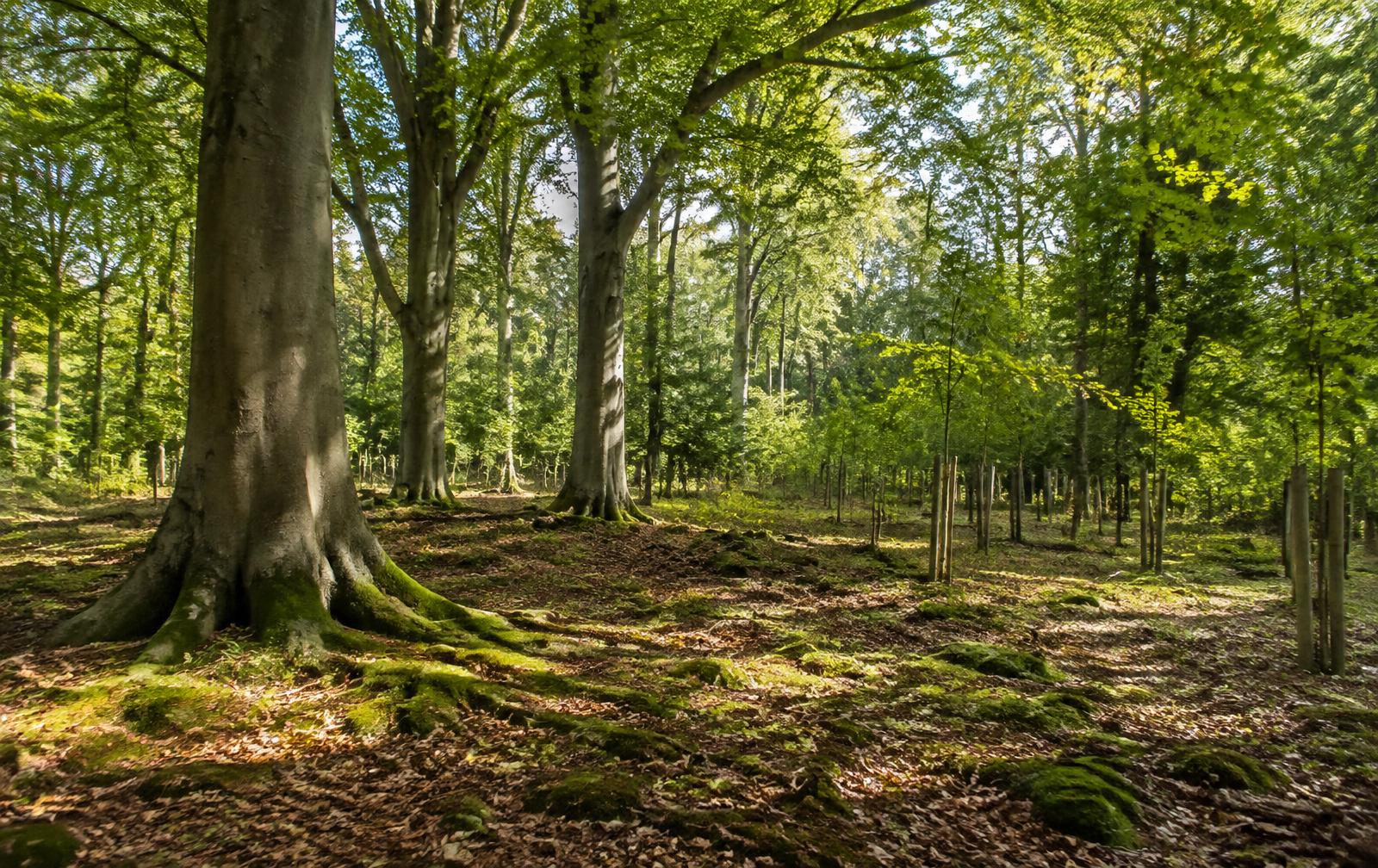
The damage grey squirrels can cause
Young and semi-mature trees
Bark stripping can ring-bark stems, distort growth and cause dieback, particularly in plantations and newly established broadleaf compartments.
Woodland regeneration
Repeated damage over successive seasons can undermine restocking and natural regeneration, and affect the timber value of a stand.
Buildings and structures
Access into roof spaces, outbuildings and stores can lead to damage to insulation, stored materials and wiring.
Managed grounds
Specimen and amenity trees, parkland planting and course furniture on golf courses and estate grounds can all be affected.
How we approach a grey squirrel problem
- Only grey squirrels are included in this service
- Every location is individually assessed before anything is agreed
- The method used depends on the site and the surrounding risks
- Public areas such as golf courses need careful planning and agreed attendance times
- No method is used unless it is safe, lawful and appropriate for that location
- Landowner or occupier authority is confirmed in writing before we attend
- Work is carried out humanely and in accordance with animal-welfare legislation
- Findings and outcomes are reported back to you after attendance
Publicly accessible land
Golf courses, parkland, estate grounds and any site with public access are treated differently from private farmland. Work on those sites is subject to a site-specific risk assessment, appropriate exclusion arrangements agreed with you, and attendance at agreed safe times. Shooting-based control is not automatically suitable at every site, and where it is not, we will tell you plainly.
Tell us where the problem is
Send us a few details about your land, the species involved and the damage you are seeing. We will contact you to discuss whether we can help.
Request a Site Assessment